
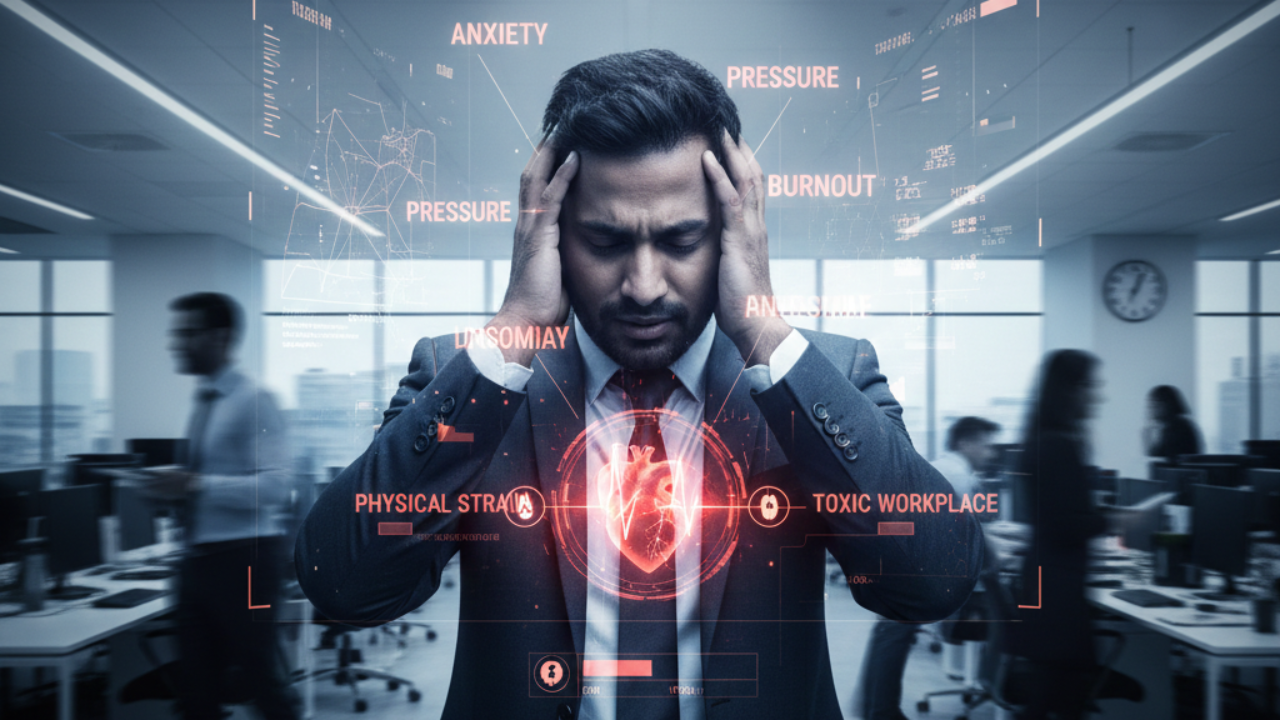
Undue Stress: How to Recognize and Manage Excessive Pressure in the Workplace
Jan 27, 2026Stress is a normal part of life, but when it becomes excessive or unwarranted, it crosses into territory that can seriously harm your wellbeing. Undue stress refers to excessive or unnecessary distress that exceeds your ability to cope, often causing anxiety, physical strain, and negative impacts on both mental and physical health. Unlike regular stress that motivates us to meet deadlines or solve problems, undue stress serves no productive purpose and instead wears down our bodies and minds.
I've seen how this type of stress manifests in countless ways—from the pressure to constantly outperform at work to the self-criticism that follows every small mistake. Understanding undue stress is crucial because prolonged exposure can lead to serious health issues including anxiety disorders, high blood pressure, and heart disease. The good news is that once you recognize the signs and sources of undue stress in your life, you can take concrete steps to reduce it.
In this article, I'll walk you through what creates undue stress, how it affects your daily functioning, and the practical strategies you can use to manage it effectively. Whether you're dealing with work pressures, relationship challenges, or self-imposed expectations, you'll find actionable approaches to restore balance and protect your health.
Key Takeaways
- Undue stress is excessive pressure that exceeds your coping abilities and damages your mental and physical health
- Common triggers include workplace demands, self-criticism, poor lifestyle habits, and unnecessary worry about things outside your control
- Managing undue stress requires identifying your specific stressors and implementing practical coping strategies alongside healthy lifestyle adjustments
Understanding Undue Stress
Undue stress refers to excessive or unnecessary distress that goes beyond what a situation reasonably warrants. I find that recognizing when stress becomes undue rather than normal helps me distinguish between productive tension and harmful pressure.
Definition of Undue Stress
Undue stress represents stress that is disproportionate, excessive, or unwarranted given the circumstances. When I experience undue stress, I'm reacting with intensity that exceeds what the situation actually demands.
This type of stress creates excessive anxiety, fear, or negative emotional responses that aren't justified by the stressors themselves. For example, constantly beating myself up over minor mistakes or underperformance creates a state of undue stress that serves no productive purpose.
The key characteristic I've noticed is that undue stress often stems from worrying about things I have very little control over. This distinguishes it from reasonable stress responses to genuine challenges or threats.
Key Differences Between Normal and Undue Stress
Normal stress serves a biological purpose. It helps me respond to real threats and challenges with appropriate energy and focus. This stress is temporary and proportional to the situation.
Undue stress differs in several ways:
- Intensity: My response exceeds what the situation warrants
- Duration: The stress continues long after the stressor is gone
- Control: I'm worrying about factors outside my influence
- Impact: It impairs rather than enhances my performance
Normal stress might help me meet a deadline, while undue stress keeps me awake worrying about hypothetical failures weeks in advance. Repeated activation of the stress response from undue stress takes a toll on my body over time.
Common Misconceptions
Many people believe all stress is harmful, but I know that some stress is necessary and beneficial. Not every uncomfortable feeling qualifies as undue stress.
Another misconception is that undue stress only affects mental health. In reality, it can lead to serious physical health issues including anxiety, high blood pressure, and heart disease.
I've also encountered the belief that strong people don't experience undue stress. This is false. Even resilient individuals can experience disproportionate stress responses depending on circumstances, past experiences, and current resources.
Some assume that eliminating all stressors prevents undue stress. However, I've learned that my interpretation of and response to stressors matters more than the stressors themselves.
Major Causes and Triggers of Undue Stress
Undue stress stems from multiple sources that compound over time, including excessive workplace demands, strained relationships, poor lifestyle choices, and accumulated pressures. These triggers often interact with each other, creating cycles that amplify stress levels beyond what the body and mind can manage effectively.
Workplace Pressures and Excessive Demands
I've observed that work-related stress represents one of the most significant sources of undue stress, defined as harmful reactions to excessive pressures and demands placed on individuals at work. The workplace generates stress through unrealistic deadlines, heavy workloads, and insufficient resources to complete assigned tasks.
Common workplace stress triggers include:
- Unclear job expectations or role ambiguity
- Limited control over work processes
- Lack of recognition or advancement opportunities
- Conflict with supervisors or colleagues
- Job insecurity or organizational changes
Poor work-life balance emerges when job demands consume time and energy needed for personal life. I find that many people struggle when work hours extend beyond reasonable limits or when they cannot disconnect from work responsibilities during off-hours. This imbalance prevents proper recovery and intensifies the stress response.
Toxic work environments with harassment, discrimination, or excessive competition add another layer of pressure. When combined with inadequate support systems, these conditions create persistent stress that extends beyond the workplace itself.
Relationship and Social Stressors
Interpersonal relationships generate significant stress when conflicts remain unresolved or communication breaks down. I recognize that troubled romantic partnerships, family disputes, and friendship tensions create ongoing emotional strain that affects daily functioning.
Social isolation and loneliness trigger stress responses even without obvious conflict. The absence of meaningful connections deprives individuals of support networks that buffer against other stressors. Conversely, excessive social obligations without adequate personal time also create pressure.
Key relationship stressors:
- Frequent arguments or criticism
- Emotional manipulation or control
- Lack of trust or betrayal
- Caregiving responsibilities for family members
- Social rejection or exclusion
Major life transitions like divorce, death of loved ones, or relocation disrupt established social patterns. These changes force adjustments that tax emotional reserves and coping abilities.
Personal Habits and Lifestyle Factors
I've found that individual behaviors and choices significantly contribute to stress levels. Poor sleep habits, including insufficient sleep duration or irregular sleep schedules, impair the body's ability to manage stress effectively. Sleep deprivation reduces cognitive function and emotional regulation.
Nutrition plays a critical role in stress management. Diets high in processed foods, sugar, and caffeine while lacking essential nutrients compromise physical resilience. Skipping meals or irregular eating patterns destabilize blood sugar levels, which intensifies stress responses.
Physical inactivity prevents the natural release of stress hormones and reduces overall stress tolerance. Regular movement helps regulate mood and builds physical capacity to handle pressure. Conversely, excessive exercise without adequate recovery also becomes a stressor.
Substance use, whether alcohol, tobacco, or other drugs, creates additional physiological stress. These substances may provide temporary relief but ultimately worsen stress through dependency, health complications, and impaired coping mechanisms. Time management problems and procrastination generate unnecessary pressure by creating avoidable crises and deadline rushes.
Chronic Stress and Cumulative Stressors
Chronic stress develops through repeated activation of the stress response over extended periods. Unlike acute stress that resolves quickly, chronic stress persists for weeks, months, or years without adequate relief. This prolonged activation contributes to high blood pressure, artery-clogging deposits, and brain changes linked to anxiety and depression.
Multiple simultaneous stressors compound their individual effects. When financial worries, health concerns, and relationship problems occur together, they create cumulative pressure that exceeds normal coping capacity. Each additional stressor reduces available resources for managing others.
Cumulative stress factors:
| Category | Examples |
|---|---|
| Financial | Debt, job loss, unexpected expenses |
| Health | Chronic illness, injury, medical treatments |
| Environmental | Noise pollution, unsafe neighborhoods, long commutes |
| Life changes | Moving, career transitions, major purchases |
Past trauma or unresolved emotional issues amplify current stressors. Previous experiences shape how I perceive and respond to new challenges, sometimes triggering disproportionate reactions. Without intervention, these patterns perpetuate cycles of excessive pressure that characterize undue stress.
Effects of Undue Stress on Health and Daily Functioning
Undue stress creates far-reaching consequences that extend beyond temporary discomfort. It disrupts mental health through anxiety and emotional instability, compromises physical well-being by increasing disease risk, and diminishes the ability to maintain normal routines and productivity.
Mental and Emotional Consequences
I've observed that undue stress fundamentally alters mental and emotional stability in measurable ways. Anxiety disorders frequently develop when stress intensity and duration exceed normal thresholds, creating persistent worry that interferes with clear thinking and decision-making.
Mental health deteriorates progressively under sustained stress. Depression, irritability, and emotional dysregulation become common as the mind struggles to process ongoing demands. Cognitive functions like memory, concentration, and problem-solving decline noticeably.
Burnout represents a severe endpoint of chronic stress exposure. I see this manifested as emotional exhaustion, detachment from responsibilities, and a diminished sense of personal accomplishment. The emotional toll creates a cycle where stress impairs coping abilities, which in turn increases vulnerability to additional stressors.
Common mental and emotional effects include:
- Persistent anxiety and excessive worry
- Mood swings and irritability
- Difficulty concentrating or making decisions
- Feelings of overwhelm and helplessness
- Social withdrawal and isolation
Physical Well-Being and Health Risks
The body responds to undue stress with tangible physiological changes that compromise long-term health. Cardiovascular problems emerge as stress hormones repeatedly elevate blood pressure and heart rate, increasing risks for heart disease and stroke.
Chronic stress affects multiple body systems simultaneously. The immune system weakens, making infections more likely. Digestive problems like stomach pain, acid reflux, and changes in appetite become frequent. Sleep disturbances prevent proper rest and recovery.
Reproductive health suffers under sustained stress. Hormonal imbalances affect menstrual cycles in women, while men experience reduced testosterone levels and potential erectile dysfunction. Physical symptoms like headaches, muscle tension, and fatigue become daily occurrences rather than occasional problems.
| Body System | Stress Effects |
|---|---|
| Cardiovascular | High blood pressure, increased heart disease risk |
| Immune | Weakened defenses, frequent illness |
| Digestive | Stomach issues, appetite changes |
| Reproductive | Hormonal imbalances, reduced function |
Impact on Productivity and Daily Life
Daily functioning becomes significantly impaired when stress overwhelms normal coping mechanisms. Work performance suffers as concentration wanes and energy depletes. Tasks that once seemed routine require excessive effort and time.
I notice that relationships deteriorate under the weight of undue stress. Irritability and emotional unavailability strain connections with family, friends, and colleagues. Social activities lose their appeal as exhaustion and anxiety take precedence.
Basic self-care falls by the wayside. Neglecting exercise, proper nutrition, and adequate sleep creates a downward spiral that further compromises health. Decision-making becomes erratic, sometimes leading to risky behaviors or poor choices that compound existing problems.
Work-related impacts include missed deadlines, decreased creativity, and increased absenteeism. Personal life disruptions manifest as neglected responsibilities, strained relationships, and abandonment of hobbies or interests that previously brought satisfaction and balance.
Practical Strategies for Managing Undue Stress
Managing undue stress requires actionable techniques that address both immediate symptoms and long-term patterns. I focus on proven methods like stress management techniques, establishing clear boundaries with effective time management, and using mindfulness practices with breathing exercises to reduce stress and anxiety.
Stress Management Techniques
I find that building a personal stress management toolkit helps me respond to stress more effectively. Evidence-based tools to tackle stress include physical activity, social support, and good nutrition.
Physical approaches work particularly well for immediate relief:
- Regular exercise releases endorphins and reduces tension
- Progressive muscle relaxation targets physical stress symptoms
- Adequate sleep (7-9 hours) supports stress resilience
Mental strategies help me reframe stressful situations:
- Identifying specific stress triggers allows me to address root causes
- Breaking large tasks into smaller steps makes challenges manageable
- Seeking social support provides perspective and emotional relief
I prioritize activities that work best for my situation. Some days I need physical movement, while other times talking with a friend proves most effective.
Setting Boundaries and Time Management
Setting clear boundaries protects my energy and prevents stress from accumulating. I communicate my limits directly with colleagues, family, and friends to avoid overcommitment.
Boundary-setting practices I use:
- Saying no to non-essential commitments without guilt
- Designating specific work hours and personal time
- Limiting exposure to stressful people or situations when possible
Time management reduces stress by creating structure:
- I schedule high-priority tasks during my peak energy hours
- Using time blocks for focused work prevents multitasking stress
- Building buffer time between commitments reduces rushing
I review my calendar weekly to identify potential stress points. This allows me to adjust commitments before they become overwhelming.
Mindfulness and Breathing Exercises
Mindfulness and breathing exercises provide immediate tools to reduce anxiety when stress peaks. These techniques calm my nervous system and help me respond rather than react to stressors.
Breathing exercises I practice:
- Box breathing: Inhale for 4 counts, hold for 4, exhale for 4, hold for 4
- 4-7-8 technique: Breathe in for 4 counts, hold for 7, exhale slowly for 8
- Diaphragmatic breathing: Deep belly breaths that activate the relaxation response
Mindfulness practices keep me grounded in the present moment. I spend 5-10 minutes daily observing my thoughts without judgment. Body scan meditations help me notice where I hold tension.
I use these exercises during stressful moments at work or before difficult conversations. Even two minutes of focused breathing shifts my physiological stress response and improves my clarity.
Lifestyle Adjustments and Self-Care
Making deliberate changes to daily routines and committing to regular self-care practices can significantly reduce undue stress. These adjustments help create sustainable patterns that support both immediate relief and long-term mental wellness.
Prioritizing Self-Care and Well-Being
I recommend starting with foundational self-care practices that address physical and mental health simultaneously. Managing stress daily can prevent the development of long-term stress and its associated health problems.
Self-care includes maintaining a healthy lifestyle through proper nutrition, regular exercise, and adequate sleep. I find that establishing consistent meal times, staying hydrated, and getting 7-9 hours of sleep each night creates a stable foundation for stress management.
Setting boundaries is equally important for well-being. I suggest learning to say no to unnecessary commitments and protecting time for rest and recovery. This means limiting work hours when possible, turning off notifications during personal time, and creating clear separations between professional and personal life.
Essential self-care practices:
- Regular physical activity (at least 30 minutes daily)
- Balanced nutrition with whole foods
- Consistent sleep schedule
- Social connections and support
- Time for hobbies and interests
Incorporating Stress-Relieving Activities
I incorporate specific activities that actively reduce stress levels rather than simply avoiding stressors. Evidence-based tools to tackle stress include relaxation techniques, meditation, and exercise, all of which provide measurable benefits.
Mindfulness practices offer immediate stress relief. I practice deep breathing exercises, progressive muscle relaxation, or guided meditation for 10-15 minutes daily. These techniques lower cortisol levels and activate the body's relaxation response.
Physical movement serves as a powerful stress reliever. I engage in activities like walking, yoga, swimming, or dancing, which release endorphins and improve mood. The key is choosing activities I enjoy rather than forcing myself into routines that feel like obligations.
Creative outlets provide another avenue for stress relief. I dedicate time to hobbies such as painting, gardening, writing, or playing music, which shift focus away from stressors and promote a sense of accomplishment.
Building Long-Term Resilience
I focus on developing skills and habits that strengthen my ability to handle future stressors. Daily habits to reduce stress help build resilience so I can better cope with both everyday pressures and significant challenges.
I cultivate a support network of family, friends, and colleagues who provide emotional support during difficult times. Regular social interaction combats isolation and offers different perspectives on problems. I also consider professional support from therapists or counselors when managing undue stress becomes overwhelming.
Developing problem-solving skills helps me approach challenges more effectively. I break large problems into smaller, manageable steps and identify which aspects I can control versus those I cannot. This pragmatic approach reduces feelings of helplessness.
I maintain flexibility in my routines and expectations. Life changes constantly, and rigid thinking often increases stress. By adapting to new circumstances and viewing setbacks as temporary, I build psychological resilience that serves me over the long term.
Frequently Asked Questions
Undue stress triggers distinct physical and emotional symptoms that extend beyond typical daily pressures. Understanding how this heightened stress appears in different contexts helps identify when intervention becomes necessary.
What are typical symptoms of experiencing undue stress?
I observe that undue stress manifests through recurring physical symptoms including headaches, stomachaches, chest pains, nausea, and indigestion. These physical indicators often appear alongside emotional changes.
People experiencing undue stress commonly display irritability, difficulty concentrating, and withdrawal from friends and family. Sleep disturbances, changes in appetite, and persistent fatigue also signal that stress levels have exceeded healthy limits.
How can undue stress manifest in a workplace environment?
In workplace settings, I find that undue stress appears through declining job performance and increased absenteeism. Employees may struggle to meet deadlines they previously handled with ease or make uncharacteristic errors.
Interpersonal conflicts often escalate as stressed workers become more reactive or withdrawn from colleagues. Physical symptoms like tension headaches during work hours or difficulty sleeping before workdays indicate workplace stress has become undue.
What are some common causes of undue stress?
I recognize that excessive workload demands paired with insufficient resources create undue stress. When responsibilities consistently exceed available time or support, stress becomes unsustainable.
Major life changes including financial difficulties, relationship problems, or health concerns frequently trigger undue stress. Lack of control over important decisions affecting one's life also contributes significantly to stress reaching undue levels.
How is undue stress defined in a legal context?
In legal contexts, I understand that undue stress relates to excessive pressure that impairs decision-making capacity or creates unreasonable working conditions. Courts examine whether stress levels prevent individuals from acting with free will or sound judgment.
Employment law considers undue stress when workplace conditions become so severe they violate duty of care obligations. This includes situations where employers knowingly maintain environments causing psychological harm to employees.
What psychological effects can be associated with undue stress?
I observe that undue stress commonly triggers or worsens anxiety and depression, which require professional healthcare intervention. These mental health conditions develop when stress remains chronic and unmanaged.
Cognitive function deteriorates under undue stress, affecting memory, decision-making abilities, and concentration. Some individuals experience panic attacks, persistent worry, or feelings of hopelessness as psychological responses to prolonged excessive stress.
How can one differentiate between normal stress and undue stress?
I determine that normal stress remains temporary and resolves after addressing specific situations or challenges. This type of stress may actually enhance performance and motivation within manageable limits.
Undue stress persists beyond immediate stressors and interferes with daily functioning across multiple life areas. When stress becomes a long-term problem causing physical symptoms, relationship deterioration, or inability to perform routine tasks, it has crossed into undue territory. Recovery time also distinguishes these types, as normal stress allows relatively quick return to baseline while undue stress requires significant intervention.

