
RN Remote Jobs: Current Opportunities and How to Land Your First Position in 2026
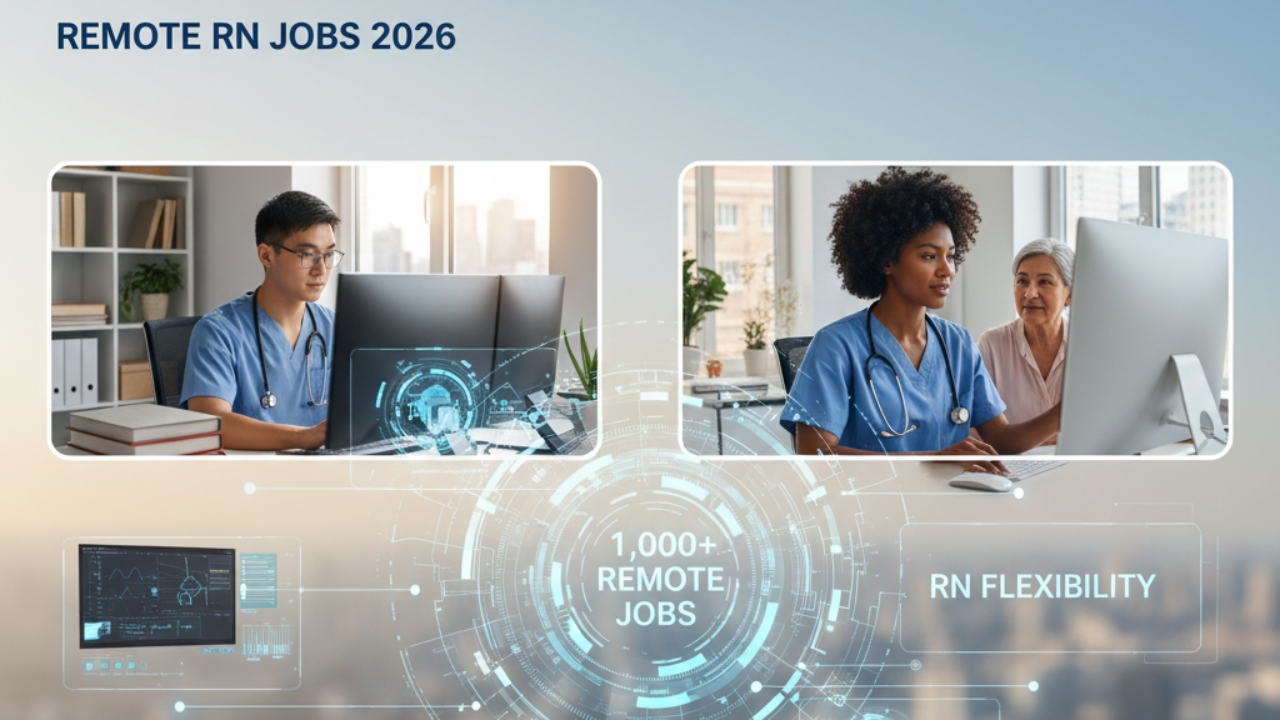
Feb 03, 2026The nursing profession has evolved significantly, and registered nurses now have access to hundreds of remote positions that allow them to work from home while maintaining their clinical expertise and earning competitive salaries. According to current job listings, there are over 1,000 remote RN positions available across various specialties and healthcare organizations. These opportunities range from telehealth and case management to utilization review and nurse education roles.
I've seen remote nursing transform from a rare exception to a viable career path that offers flexibility without sacrificing professional growth. The demand for work-from-home nursing positions has expanded across multiple sectors, including insurance companies, telehealth platforms, and healthcare technology firms. Many nurses are discovering that remote RN jobs provide better work-life balance while utilizing their clinical skills in innovative ways.
Whether you're looking to leave bedside nursing or explore alternative career options, understanding the landscape of remote RN opportunities is essential. I'll guide you through the types of positions available, where to find them, and what qualifications you need to succeed in this growing field.
Key Takeaways
- Remote RN jobs span multiple specialties including telehealth, case management, utilization review, and nurse coaching positions
- Specialized job boards and healthcare organizations actively recruit for fully remote, hybrid, and per diem nursing roles nationwide
- Remote nursing careers require strong communication skills, technical proficiency, and often one to two years of clinical experience
What Are RN Remote Jobs?
Remote RN jobs allow registered nurses to provide healthcare services from home or other non-traditional settings rather than working in hospitals or clinics. These positions span telehealth consultations, case management, utilization review, and health coaching roles that leverage digital communication tools.
Definition and Scope
Remote RN jobs are positions where registered nurses perform nursing duties outside traditional clinical environments. I've observed that remote nursing jobs include telehealth nurses who conduct virtual patient assessments, case managers who coordinate care plans via phone and computer, utilization review nurses who evaluate treatment necessity for insurance purposes, and nurse educators who develop training programs.
Work-from-home nursing positions also encompass triage nurses who answer patient calls, clinical documentation specialists who review medical records, and quality improvement coordinators. Remote nurses typically need active RN licensure, computer proficiency, and strong communication skills. Many remote nursing positions require 1-2 years of clinical experience before transitioning to virtual work.
Benefits of Working Remotely as an RN
The primary advantage I see in remote RN jobs is schedule flexibility. Many positions offer part-time, full-time, or per diem arrangements that accommodate personal commitments.
Working from home eliminates commute time and expenses, which can save 5-10 hours weekly and hundreds of dollars monthly on gas and parking. Remote nurses avoid physical demands like lifting patients and standing for 12-hour shifts, reducing musculoskeletal strain. I've found that flexible remote nurse jobs often provide better work-life balance for nurses with families or those pursuing additional education.
Geographic restrictions disappear with remote work, allowing nurses to access positions nationwide regardless of local job markets.
Challenges in Remote RN Roles
Remote nursing positions present distinct obstacles. I notice that isolation from colleagues can affect professional development and emotional support networks that hospital environments naturally provide.
Technical difficulties with video platforms, electronic health records, and internet connectivity can disrupt patient care delivery. Remote nurses must maintain self-discipline and time management without direct supervision. Some positions require handling difficult conversations about denied insurance claims or delivering concerning health news without in-person presence.
State licensure requirements complicate matters, as nurses treating patients across state lines may need compact licensure or multiple state licenses. Career advancement opportunities may be limited compared to bedside nursing paths that lead to charge nurse or unit manager roles.
Types of RN Remote Jobs
Remote nursing encompasses several specialized roles that allow registered nurses to provide care and support from home. These positions range from direct patient interaction through telehealth to administrative functions like utilization review and case coordination.
Telehealth Nurse
I find that telehealth nurses conduct virtual patient consultations using video calls, phone conversations, and secure messaging platforms. These remote nurses assess symptoms, provide health education, monitor chronic conditions, and determine whether patients need in-person care.
A telehealth nurse typically works for hospitals, insurance companies, or dedicated telemedicine platforms. The role requires strong clinical assessment skills since I cannot perform physical examinations. Many remote nursing positions in telehealth involve varied patient interactions throughout the day.
Remote nurse practitioners also work in telehealth settings with expanded responsibilities. They can diagnose conditions, prescribe medications, and manage treatment plans independently within their scope of practice. A telehealth nurse practitioner often sees patients with acute illnesses, mental health concerns, or chronic disease management needs.
Utilization Management Nurse
I review medical treatments and hospital admissions as a utilization management nurse to ensure they meet medical necessity criteria and insurance coverage guidelines. This role involves analyzing patient records, collaborating with physicians, and making determinations about authorization for procedures, medications, and hospital stays.
Utilization management nurses work primarily for insurance companies, managed care organizations, and hospital systems. I spend most of my time reviewing documentation rather than providing direct patient care. The position requires deep knowledge of clinical guidelines, insurance policies, and regulatory requirements.
This role differs significantly from call center nurse positions since it focuses on administrative review rather than patient interaction. I must balance quality patient care with cost-effective resource utilization while following evidence-based medical guidelines.
Case Management Nurse
Case management nurses coordinate care for patients with complex medical needs across multiple providers and settings. I develop care plans, arrange services, monitor patient progress, and serve as the primary point of contact between patients, families, and healthcare teams.
My responsibilities include assessing patient needs, connecting them with community resources, and ensuring they receive appropriate follow-up care. Many case management positions involve patients with chronic illnesses, post-discharge planning, or workers' compensation claims.
A nurse navigator performs similar functions but typically focuses on guiding patients through specific conditions like cancer treatment or complex surgical procedures. Both roles require excellent communication skills and knowledge of healthcare systems and insurance processes.
Telephone Triage Nurse
I assess patient symptoms and provide guidance over the phone as a telephone triage nurse, helping callers determine the appropriate level of care needed. This might range from self-care recommendations to directing them to urgent care or emergency services.
Telephone triage nurses work for hospitals, insurance companies, physician practices, and nurse advice lines. I use standardized protocols and clinical judgment to evaluate symptoms I cannot see. The role demands strong listening skills, quick decision-making abilities, and comfort managing anxious or distressed callers.
These positions overlap somewhat with call center nurse roles but focus specifically on symptom assessment and care direction. I must document each call thoroughly and escalate complex cases to physicians when necessary.
Key Employers and Job Boards for RN Remote Jobs
Finding remote RN positions requires knowing where to look and which organizations consistently hire for telehealth roles. Several specialized job boards cater specifically to nurses seeking work-from-home opportunities, while certain healthcare companies have built their business models around remote care delivery.
Leading Employers and Organizations
Major telehealth companies and insurance providers lead the market for remote RN positions. UnitedHealth Group regularly hires remote nurses for case management and utilization review roles. CVS Health employs nurses remotely for their telehealth services and insurance divisions.
Fonemed and Carenet Health specialize in telephone triage nursing, offering fully remote positions. Humana maintains a robust remote nursing workforce for care coordination and health coaching. Midi Health focuses on women's health and hires nurses for virtual care positions supporting patients through menopause and hormonal transitions.
Insurance companies like Anthem and Cigna employ remote nurses for prior authorization, case management, and quality review. These positions typically offer consistent schedules and competitive benefits packages.
Specialized Remote Nursing Job Boards
Dedicated remote nursing job boards aggregate positions specifically for RNs seeking work-from-home roles. Nurse Fern provides a curated job board updated daily with remote opportunities for nurses at all experience levels. The platform includes career support resources specifically designed for bedside nurses transitioning to remote work.
The Remote Nurse specializes in connecting nurses, nurse practitioners, and physician assistants to remote clinical positions. Remote Nurse Connection offers a free job board with hand-picked positions from vetted employers, updated daily with nursing, biotech, and medical device roles.
Telehealth Nurse Network features telehealth-specific nursing roles and updates their listings daily. These specialized boards save time by filtering out non-nursing positions and focusing exclusively on healthcare roles.
How to Use Job Boards Effectively
I recommend setting up email alerts on multiple job boards to receive notifications when new positions match my criteria. Most platforms allow filtering by specialty, required experience, and work schedule preferences.
I should check job boards at least three times per week since remote positions often fill quickly. Creating a profile on each platform streamlines the application process and makes me visible to recruiters searching for candidates.
I need to tailor my resume for each application, highlighting relevant telehealth experience, technology skills, and independent work capabilities. Reading the full job description carefully helps me identify required certifications or state licenses before applying.
Essential Skills and Requirements for Remote RN Roles
Remote nursing positions demand specific credentials, technological proficiency, and relevant experience that differ from traditional bedside roles. Most remote nursing positions require 1-3 years of clinical experience before transitioning to virtual work.
Licensure and Certifications
I need an active RN license in good standing to qualify for remote nursing positions. Many employers require compact nursing licenses that allow practice across multiple states, which is particularly important for telehealth roles serving patients in different locations.
Specialized certifications enhance my competitiveness for specific remote positions. A utilization review nurse typically needs certification in case management or utilization review, such as the Certified Case Manager (CCM) credential. Remote nurse practitioner roles require national certification in my specialty area, plus state-specific practice authority.
Additional certifications that strengthen my application include Basic Life Support (BLS), telehealth-specific training, and specialty credentials relevant to my target position. Some employers also value certifications in electronic health records systems or specific software platforms used in remote care delivery.
Technical and Communication Skills
Strong technology skills are essential for remote nursing success. I must be comfortable navigating electronic health records, video conferencing platforms, and various healthcare software applications used for documentation and patient communication.
My communication abilities need to be exceptional since I cannot rely on in-person interaction. I must convey empathy, provide clear instructions, and assess patient conditions through verbal and visual cues alone. Written communication skills are equally important for documentation, email correspondence, and patient education materials.
Self-motivation and time management skills allow me to work independently without direct supervision. I need reliable internet connectivity, a quiet workspace, and the ability to troubleshoot basic technical issues. Providing inclusive care remotely means adapting my communication style to serve diverse patient populations effectively.
Experience and Specialization
Clinical experience forms the foundation for remote nursing work. I should have hands-on bedside experience that demonstrates my ability to assess patients, make clinical decisions, and handle various healthcare situations before transitioning to remote roles.
Specific specializations open different remote opportunities. Case management, triage, patient education, and utilization review positions each require relevant background knowledge. I can leverage my existing specialty—whether pediatrics, oncology, or another field—to find remote positions aligned with my expertise.
Career Growth and Trends in RN Remote Work
The remote nursing field is expanding rapidly with projected growth in telehealth services, utilization management roles, and positions focused on delivering inclusive care to diverse patient populations. Healthcare organizations are investing heavily in digital infrastructure to support these positions.
Increasing Demand for Remote Nurses
Healthcare's digital transformation continues to generate more work-from-home nursing opportunities each year. The Bureau of Labor Statistics projects 194,500 annual nursing job openings over the next decade, with a significant portion transitioning to remote formats.
I've observed that remote nursing positions are classified as high-demand jobs in 2024 and beyond, considered essential in modern patient care delivery. Technology advancements enable nurses to provide clinical expertise from any location while maintaining quality patient outcomes.
The shift toward remote work allows experienced RNs to apply their clinical skills in new ways. Case management, clinical intake coordination, and nurse consulting roles require active RN licensure and documented clinical experience but eliminate commuting and provide schedule flexibility.
Utilization Management and Telehealth Trends
Utilization management has emerged as one of the fastest-growing remote nursing specialties. I find that insurance companies and healthcare organizations need RNs to review treatment plans, authorize procedures, and ensure appropriate resource allocation from remote settings.
Telehealth appointments increased dramatically in recent years and continue to maintain strong patient adoption rates. Remote nurses conduct virtual consultations, triage calls, and follow-up appointments through HIPAA-compliant video platforms.
Insurance verification nurses and prior authorization specialists work entirely from home, reviewing medical records and coordinating with providers. These positions typically offer competitive salaries ranging from $60,000 to $85,000 annually, depending on experience and specialty.
Inclusive Care and Diversity in Remote Nursing
Remote nursing positions enable healthcare organizations to deliver inclusive care to underserved communities. I've noticed that telehealth removes geographic barriers, allowing patients in rural areas to access specialized nursing expertise previously unavailable locally.
Cultural competency becomes increasingly important as remote nurses serve diverse patient populations across different regions. Many organizations now prioritize hiring multilingual nurses and those with experience serving specific cultural communities.
Remote work also creates opportunities for nurses with disabilities or those managing chronic conditions to continue practicing. The flexibility of working from home allows qualified professionals who might struggle with traditional bedside roles to contribute their clinical knowledge and provide quality patient care.
Frequently Asked Questions
Remote RN positions typically require specific licensure and clinical experience, with most employers seeking nurses who have worked 1-3 years at the bedside before transitioning to work-from-home roles. Compensation varies based on specialty and location, while certain healthcare organizations consistently recruit for telehealth and remote nursing positions.
What qualifications are needed for remote RN positions?
I need an active RN license to work in remote nursing roles. Most positions require licensure in the state where I'm physically located while working, though some employers accept nurses with multi-state compact licenses.
Remote nursing jobs require clinical experience, with most employers preferring 1-3 years of bedside nursing before I transition to work-from-home positions. This hands-on experience helps me develop assessment skills and clinical judgment that I'll rely on when working remotely.
Technology proficiency is essential for remote nursing work. I must be comfortable using electronic health records, telehealth platforms, video conferencing software, and various healthcare applications.
Strong communication skills are critical since I'll be interacting with patients and healthcare teams virtually. I need to convey information clearly through phone calls, video chats, and written messages without the benefit of in-person interaction.
How do I find part-time remote RN roles in Pennsylvania?
I can search for remote RN jobs on specialized job boards that focus specifically on nursing positions with flexible work arrangements. These platforms allow me to filter by location, schedule type, and employment status.
Pennsylvania requires me to hold an active RN license in the state if I'm physically working from a Pennsylvania location. I should verify licensure requirements with each employer since some companies may have specific state restrictions.
Part-time and per diem remote opportunities are available through various healthcare organizations. I can set my job search filters to specifically show part-time positions rather than full-time roles.
Networking with other remote nurses in Pennsylvania can help me discover unadvertised opportunities. Many nurses share job leads through professional groups and online communities dedicated to telehealth work.
What are some tips for securing a high-paying remote nursing job?
I should target specialized roles that typically offer higher compensation. High-paying remote nursing jobs include positions like case management, utilization review, nurse practitioner telehealth consultations, and clinical informatics.
Highlighting my remote work experience or virtual learning capabilities during interviews strengthens my application. Employers want to know I can manage my time effectively and communicate well in virtual environments.
I need to prepare for different interview questions in remote nursing job interviews, where employers focus on my experience working remotely, time management abilities, and virtual communication skills. Demonstrating these competencies helps me stand out from other candidates.
Researching salary ranges for remote positions in my specialty helps me negotiate better compensation. Geographic location still affects pay rates for many remote nursing jobs, so I should understand how my state's market compares to others.
Which companies frequently offer remote RN positions?
Several healthcare organizations consistently hire nurses for work-from-home roles. Companies hiring nurses to work from home include insurance providers, telehealth platforms, case management firms, and healthcare technology companies.
Health insurance companies employ remote nurses for utilization review, case management, and prior authorization roles. These positions typically involve reviewing medical records and determining coverage for treatments and procedures.
Telehealth providers need remote nurses for triage, patient education, and virtual consultations. These companies have expanded significantly and continue to recruit nurses with various specialties.
I can find companies with remote nursing jobs in 2026 by researching organizations known for offering flexible work arrangements. Many large healthcare systems now maintain dedicated remote nursing teams.
What are the benefits of working as a remote RN compared to traditional nursing jobs?
Working from home eliminates my commute, saving me time and transportation costs. I avoid spending hours each week traveling to and from a healthcare facility.
Remote nursing offers greater schedule flexibility compared to traditional shift work. Many positions allow me to choose my hours or work during non-traditional times that fit my personal life better.
I experience reduced physical demands in remote roles. I'm not on my feet for 12-hour shifts, lifting patients, or exposed to the same infection risks present in hospital settings.
Remote work provides a better work-life balance for many nurses. I can manage family responsibilities more easily and create a work environment that suits my needs.
The reduced stress of remote nursing can improve my job satisfaction. I deal with fewer workplace politics and have more control over my daily work environment.
How can a nurse earn additional income from remote opportunities?
I can take on per diem or PRN remote nursing shifts in addition to my primary job. Many telehealth companies offer flexible scheduling that allows me to work extra hours when I'm available.
Telephone triage positions often have evening and weekend shifts that I can pick up for supplemental income. These roles typically involve answering patient calls and providing nursing advice.
Case management and utilization review companies sometimes hire nurses for part-time contract work. I can complete chart reviews and case assessments during my free time.
Remote nurse educator positions allow me to teach courses or provide training on my own schedule. Healthcare organizations and educational platforms need nurses to develop content and instruct students virtually.
Some nurses create multiple income streams by combining different types of remote work. I might do telephone triage on weekends while working a full-time telehealth position during the week.

